Fire alarms that
alert your phone
Smoke detectors, gas sensors, alarm systems, and outdoor sirens. 85dB local alarm + instant phone notification. Automate sprinkler pumps and emergency lighting.
Detect, alert, respond — automatically
A complete fire safety workflow that goes far beyond a simple beeping alarm.
Detect
Photoelectric smoke sensor or gas detector identifies the hazard
Alert locally
85dB siren sounds immediately — heard throughout the building
Notify remotely
Push notification to your phone via Tuya app — even if you're away
Automate response
Trigger DP switch for sprinkler pump, turn on all lights, sound outdoor siren
Sensors, alarms, sirens & accessories
Layer your fire protection — sensors detect, hubs coordinate, sirens alert, and automations respond.
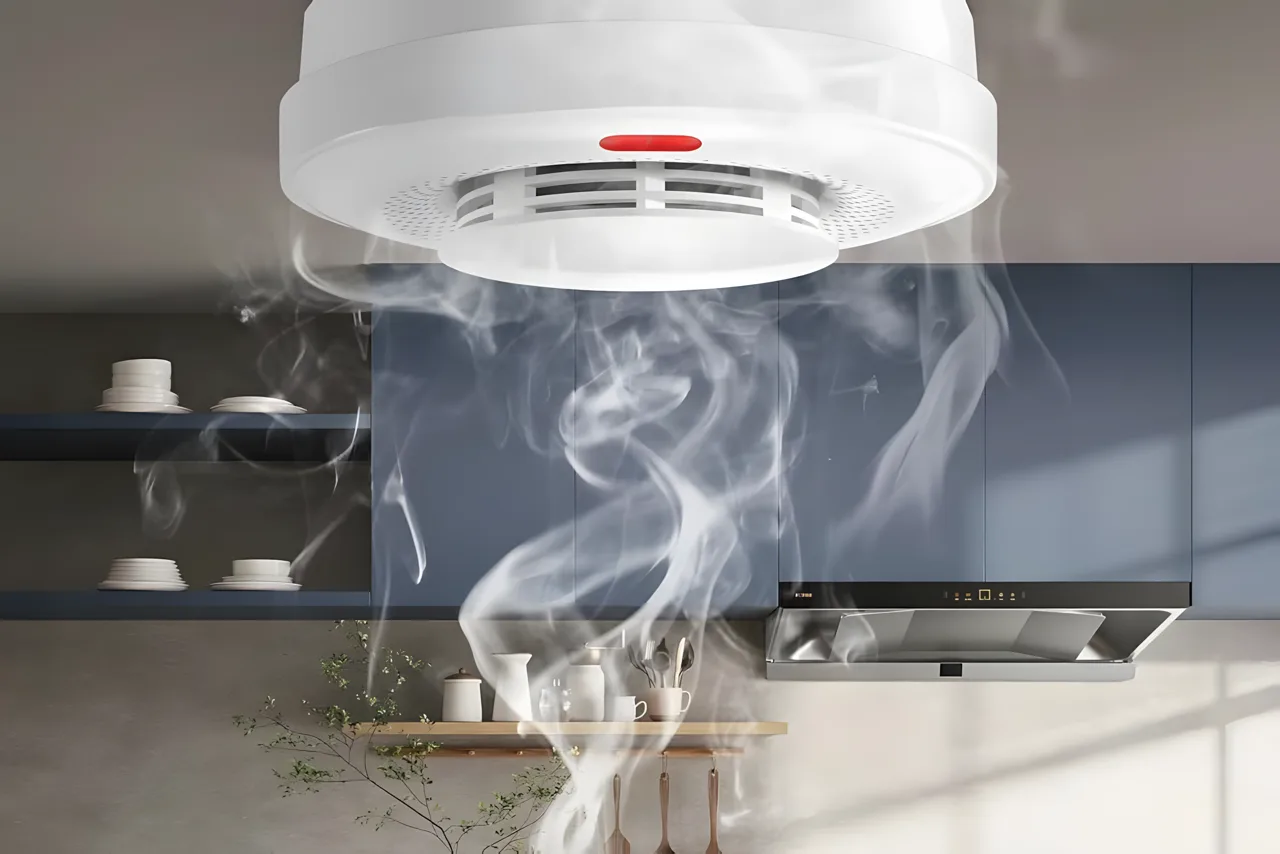
Smart Smoke Detector
Photoelectric smoke detector with Tuya/Zigbee connectivity. 85dB integrated siren sounds locally while the app sends instant push notifications to your phone — even when you're away. Continuously self-checks circuits, electronics, and battery status.
- 85dB local siren + phone push notification simultaneously
- Photoelectric sensing — detects smouldering fires early
- Self-check — monitors circuits, electronics, and battery continuously
- Low battery auto-notification to your app
- Tuya/Zigbee — integrates with your smart home ecosystem
- Automate: smoke → turn on all lights + trigger external siren
- Compatible with Alexa, Siri, and Google Assistant
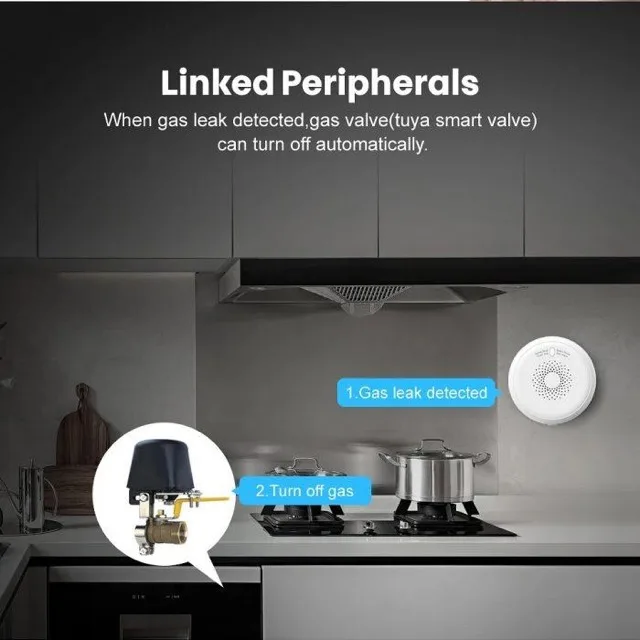
Smart Gas Detector
LPG and cooking gas leak detector with real-time monitoring. Sounds a loud alarm locally and pushes instant notifications to your phone. Create rules to automatically alert family members when gas is detected.
- Detects LPG, natural gas, and cooking gas leaks
- Precise real-time concentration monitoring
- Loud integrated alarm + phone push notification
- Automate: gas detected → flash lights + send alert to family
- Tuya/Zigbee compatible — works with smart home scenes
- Install near gas appliances — kitchen, water heater, boiler
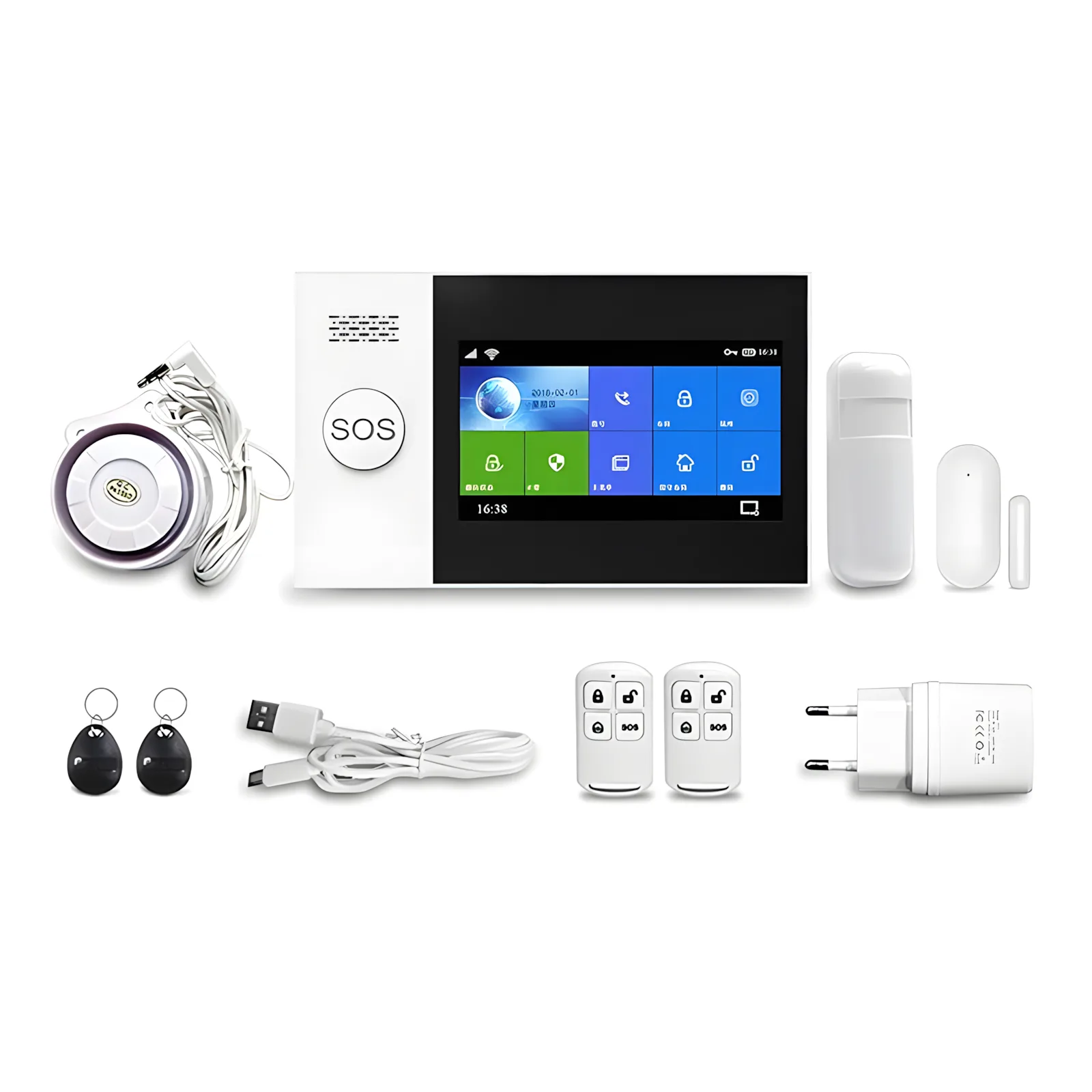
Smart Alarm Systems
WiFi alarm hubs that centralize all your fire and security sensors. The 4.3" touch screen model adds GSM — it can call you, send SMS, and push app notifications. Supports 99 wireless sensor zones.
- WiFi + optional GSM — triple alert: app, SMS, and phone call
- Up to 99 wireless defence zones — smoke, gas, motion, door sensors
- Battery backup — keeps alerting during power outages
- Auto-arm on schedule — arm at night, disarm at morning
- Tamper detection — alerts if panel is disturbed
- Connect with Tuya: smoke alarm → trigger DP switch → activate sprinkler pump
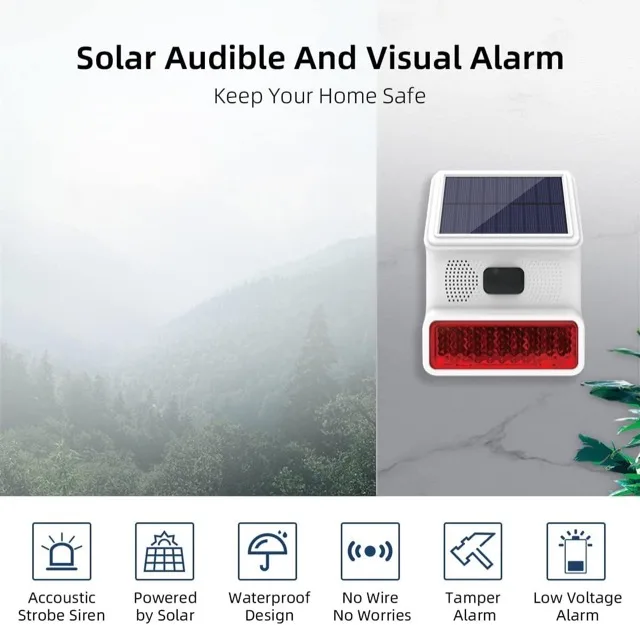
Solar Outdoor Siren
Wireless outdoor alarm siren with solar charging. Weatherproof and tamper-proof. Pairs with alarm systems to add an audible deterrent that neighbours and security guards can hear.
- Solar powered — no wiring, no battery changes
- 20 wireless zones — expand coverage over time
- Weatherproof and tamper-proof enclosure
- Loud siren audible across the property
- Wireless learning code — pair new sensors instantly
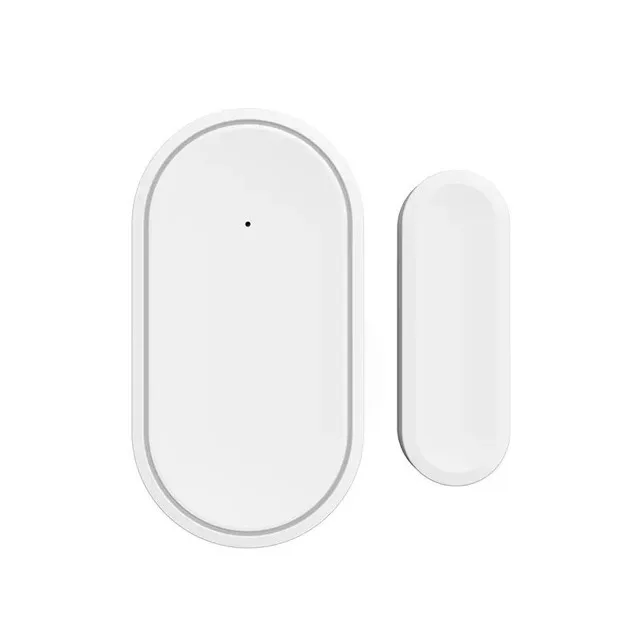
Door & Motion Sensors
Wireless sensors that detect door openings and human movement. Pair with alarm systems for intrusion detection, or use standalone with Tuya for lighting automations.
- Door/window contact sensor — 10-30mm detection distance
- PIR motion sensor — 12m range, 110° horizontal angle
- Dual infrared element — reduces false alarms, pet-resistant
- Battery powered — 12-18 month life, low battery alerts
- Wireless 433MHz — 80-100m range in open air
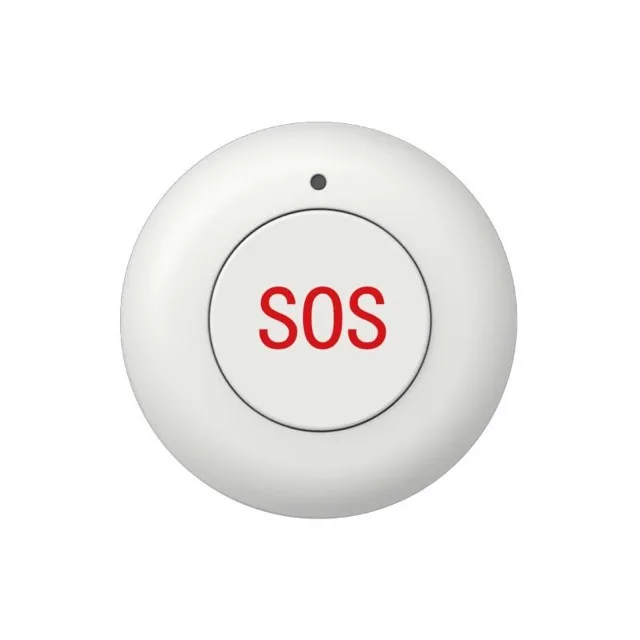
SOS Button
Compact wireless panic button for emergencies. Pocket-sized or on a lanyard for elderly family members. One press sends an alarm to all paired devices and phones.
- One-press emergency alarm
- Compact — pocket or lanyard for elderly use
- Pairs with alarm systems for remote notification
- CR2032 battery — ultra-low standby current
- 80m wireless range in open air
Protect dormitories,
kitchens & stores
Multi-zone deployment with alerts routed to head teachers, property managers, and security staff. Each zone — dormitory, kitchen, storeroom — has independent sensors and notification rules. The GSM alarm system calls you even if the school WiFi is down.
- Up to 99 zones — one hub covers an entire campus
- GSM backup — calls and SMS when WiFi fails
- Multi-stakeholder alerts — head teacher, security, parents
- Battery backup — works during power outages
- Automate: smoke → sprinkler pump + all lights + outdoor siren
Fire safety products
 Sale
Sale 


Fire safety FAQ
Can the alarm system trigger a sprinkler pump?
Yes. In the Tuya app, create an automation: when smoke is detected, trigger a smart DP switch connected to your sprinkler pump. The same automation can turn on all lights, sound the external siren, and send notifications. Multiple actions from one trigger.
Will I be notified if the sensor battery is low?
Yes. All our sensors continuously monitor their own battery voltage. When it drops below threshold (typically 2.3V), the alarm system pushes a low battery notification to your phone, giving you weeks to replace it before it dies.
Can I use these in schools?
Absolutely. Our alarm systems support up to 99 wireless zones — deploy smoke detectors in every dormitory, kitchen, and storeroom. Multiple users can receive alerts: head teacher, property manager, security, and parents. Each zone can have independent notification rules.
What is the difference between the WiFi and touch screen alarm systems?
The WiFi alarm (SS-150) supports app push notifications only. The 4.3" touch screen alarm (SS-107) adds GSM — insert a SIM card and it will call you, send SMS, AND push app notifications. Triple-redundant alerting for critical applications.
How do I install smoke and gas detectors?
Both are wireless and battery powered. Mount the smoke detector on the ceiling with the included screws — takes 5 minutes. Mount the gas detector near your gas appliances (stove, boiler) at the appropriate height. Then add to the Tuya app or alarm system to start receiving alerts.
Can smoke and gas detectors work without an alarm hub?
The Zigbee smoke and gas detectors can work standalone via a Zigbee gateway — they'll sound locally and push phone notifications. For centralized control, GSM calling, and multi-zone management, pair them with one of our alarm system hubs.
A smoke detector costs less than a fire extinguisher refill
Start with one sensor and expand from there. We'll help you design the right fire safety system for your home, school, or business.